Ep 111 ·
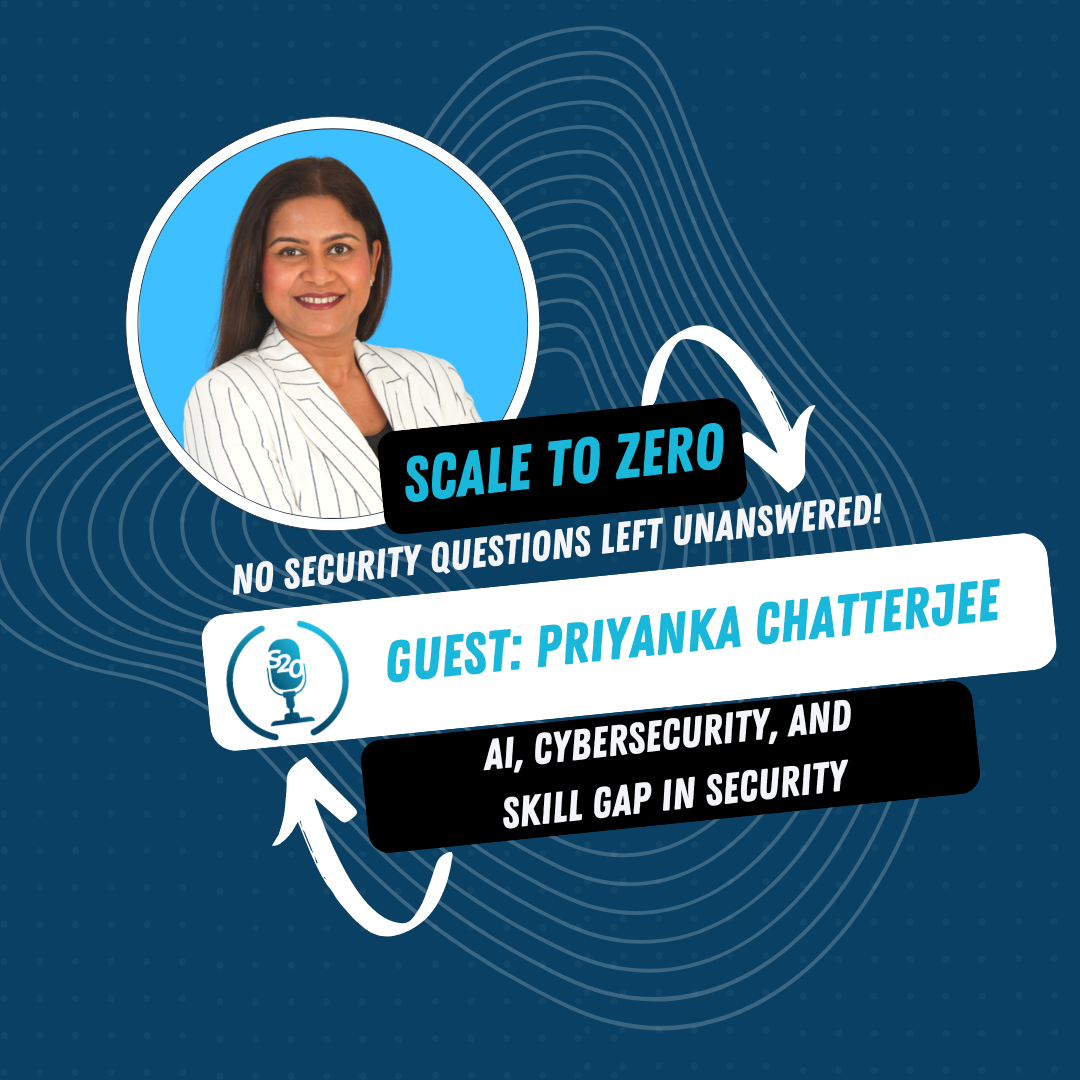
AI: Your Next Tool or New Colleague? Next-Gen Security Skills with Priyanka Chatterjee
Priyanka Chatterjee (London School of Cybersecurity) says treat AI as a colleague: trust it for SOC analysis, keep humans on response, and build skills.
Ep 111 ·
Priyanka Chatterjee (London School of Cybersecurity) says treat AI as a colleague: trust it for SOC analysis, keep humans on response, and build skills.
Priyanka sees AI as the first technology that augments our thinking rather than just automating tasks, and because it can talk and challenge you back, it takes on a human flavor. She recalls spending a whole night at IBM analysing a 9,000-row vulnerability spreadsheet, work AI can now turn into a prioritisation in under 30 minutes. The better you build your relationship with it and tune it, the better you deliver, which is why she treats it as a colleague.
She would trust AI more for reporting, finding data, triage in a security incident response center and investigation, where false positives have dropped a lot, though they will never reach 100%. She would not hand over autonomous response, such as disconnecting a machine from the network or disabling an account; those decisions need a human in the loop. Any tool needs tuning with your organisation's context, and its results are only as good as your data quality.
Platforms like SOAR and next-gen firewalls were bought, but their automated response was rarely adopted: trigger points were inconsistent, triaging the data still took a lot of effort, and most organisations lacked mature decision workflows. As she puts it, if you cannot run something manually, it cannot run automatically. AI makes the analysis much easier so trigger points become clearer, and it can challenge you back instead of following an if-else model.
Priyanka pictures AI colleagues running triage overnight, ending graveyard shifts, and having a shift handover report and a list of decisions and judgment calls ready when the analyst comes in. Most of an analyst's time today goes into going through data; in an AI SOC the job becomes making decisions, so more of the workforce will look like today's level three analysts. Whether you are working or about to enter the workforce, she says you need to learn AI.
Knowledge is knowing about something, which is what schools are structured to give you; a skill is knowing where and how to apply it. Pre-industrial work valued skills, industrialisation and the internet created a knowledge and information economy, and now that information is cheap and abundant, value is shifting back to skills. She says people with agency, who are driven, self-motivated and follow through, will be more successful.
An ATS-compliant CV opens the door to an interview, but a portfolio that proves you can apply your knowledge is what gets you hired. For a SOC analyst role, that could show you can look at logs, have set up a SIEM at home and have tested with the open-source Nmap scanner, and AI can tell you how to build a home lab. Certifications prove knowledge but not application, so a certification plus a portfolio is hard to beat.
New episodes twice a month
Follow Scale To Zero wherever you listen, or send us the question your team is stuck on and we will put it to an expert.