Skip to content
Scale To Zero by Cloudanix

Topic

Security Leadership & Careers

Building security teams and careers: leadership, culture, hiring, skills for the next generation and making security an enabler.

86 episodes · 24 questions answered

Security Leadership & Careers: questions answered

Where should you start when restructuring an enterprise security program?

Start with visibility: catalogue your assets so you know what you own, then build a risk registry and define a North Star for what a successful program looks like. Next, give guidance for a consistent risk model so anyone on the team analysing a risk reaches the same criticality. Finally, check whether you are actually leveraging the tools you already have, and whether anyone or any automation is acting on their alerts, before moving on to something new.

Alma Paul · Faire
How do you measure the health of a security program without vanity metrics?

Alma advises steering clear of vanity metrics such as the raw number of vulnerabilities reported in a year, which say nothing about how well the program is run. Good metrics tell a story over time: how much risk you have reduced and how much coverage you have gained. They also reveal where you miss targets, which helps you decide whether you need more automation or more engineers, and they should be flexible enough to let you pivot without being penalised.

Alma Paul · Faire
How should security teams prepare for the surge in AI-discovered vulnerabilities?

Alma's view is that finding vulnerabilities has never been the issue; fixing them has. A CVSS critical does not automatically mean critical for your organization, so add context: is there an exploit, is it remotely exploitable, is the service exposed to the internet? AI can help enrich, triage and group findings and identify compensating controls, but the fundamentals still hold: patching on a cadence, buy-in from teams who carve out time to remediate, and metrics that show progress.

Alma Paul · Faire
Should you shift from vulnerability management to detection and response?

No. Alma sees them as complementary layers of security rather than alternatives: a robust vulnerability management program addresses issues before they become problems, and detection and response catches what slips through, because no preventive control is 100%. Taking resources from vulnerability management to fund detection would just leave you needing a huge detection and response team, so she would rather deal with it upstream while building layers.

Alma Paul · Faire

How do you prioritise vulnerabilities when there are too many to fix?

Start with business context: what your worst day looks like and which assets are high-risk and high-value, then translate each vulnerability's risk score to your environment. Check whether an exploit or working proof of concept exists and whether the vulnerable service is exposed to the internet; if it is, she would probably call an incident right away, while a segmented-off service buys more time. Be deliberate about what you call critical, so other teams can trust that a critical genuinely needs attention.

Alma Paul · Faire
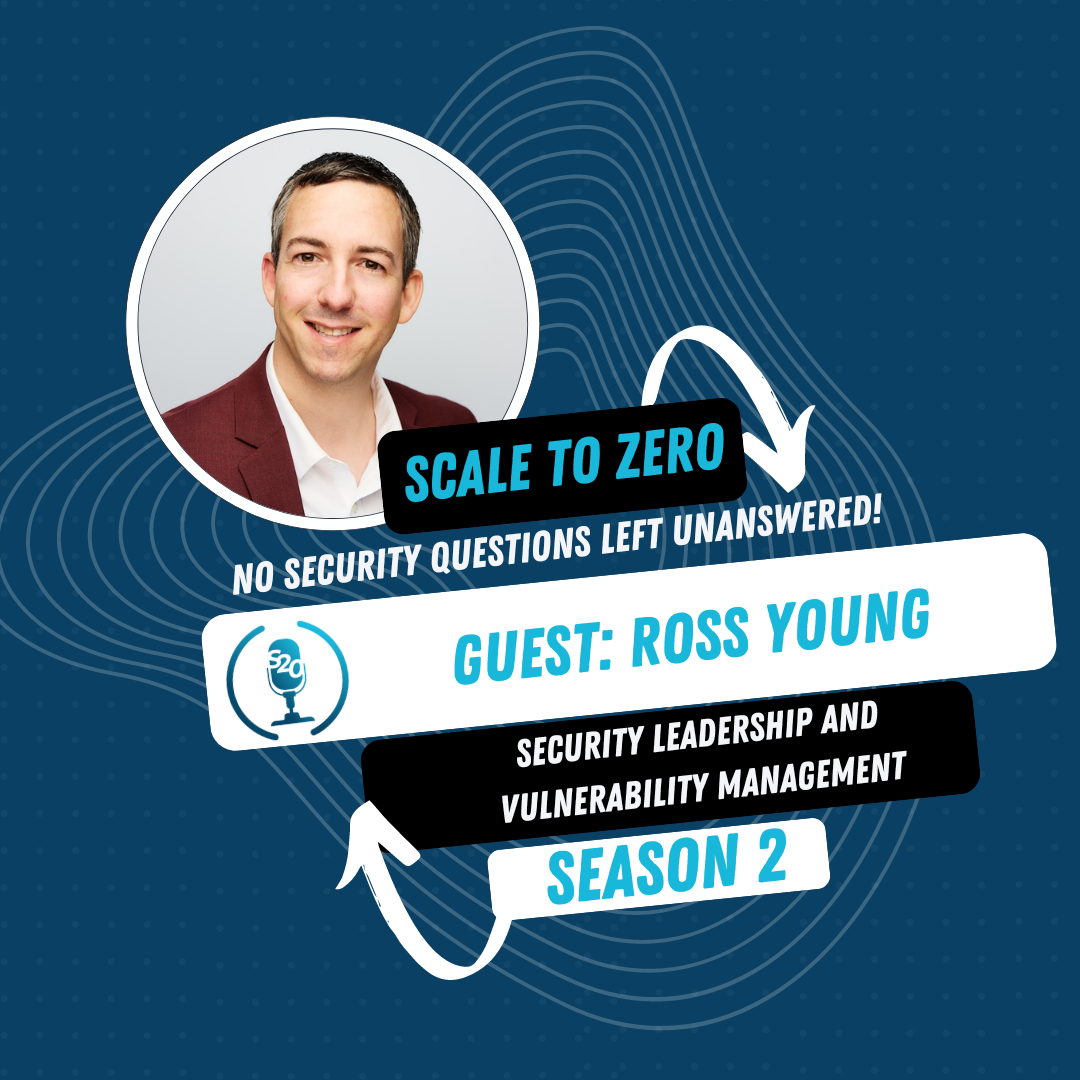
Should security teams adopt AI security tools?

Evaluate an AI tool like any other product: is it solving a problem your organization has, how well does it solve it, and does it deliver what it claims? Having AI in its name does not make it good. Alma sees real gains in areas such as detection and response and DLP, where context awareness could replace black-and-white regex matching, but warns against expecting AI to replace security engineers; use it to offload mundane, repeatable work.

Alma Paul · Faire
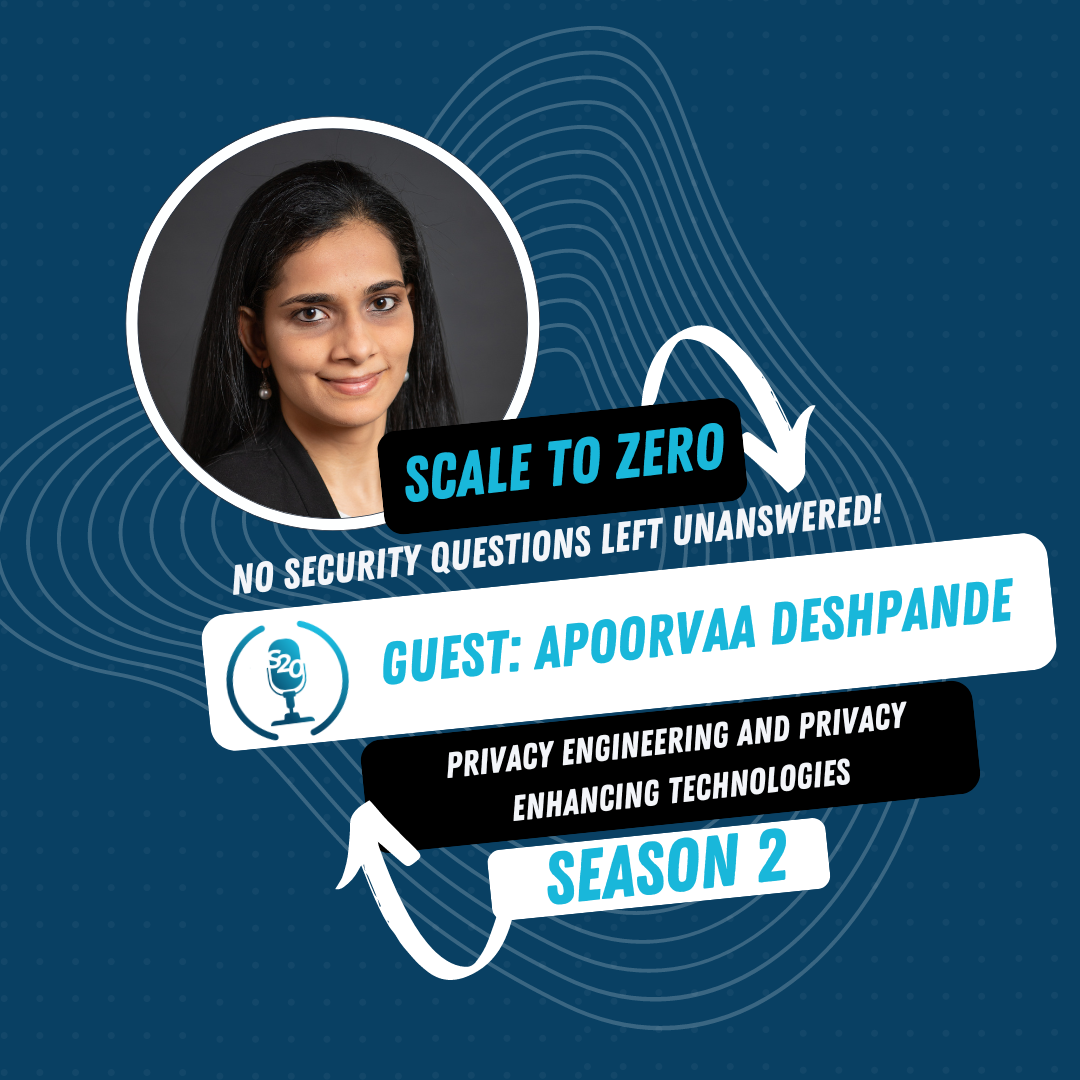
How much effort can AI save in a third-party risk assessment?

Moog estimates about 60% of the effort, possibly more, can come out of the assessment itself. His team's agents read dozens of documents and point to the exact policy, page and a screenshot of the evidence, so reviewers can verify answers quickly, and each client's model is trained separately to keep data isolated. He advises putting the savings into areas like threat and vulnerability management, incident response, agentic pen testing and security posture management rather than cutting staff.
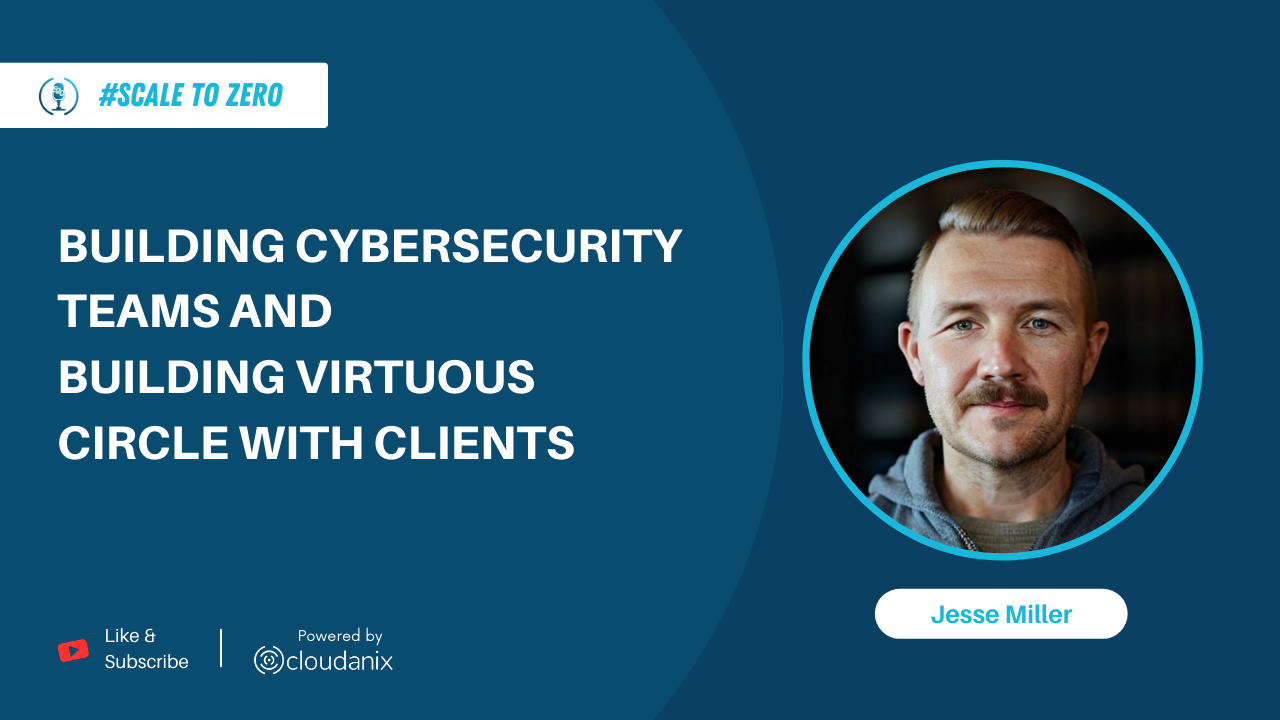
Matthew Moog · EY

What is Project Glasswing and why should security leaders care?

Project Glasswing gives a select group, largely large banks, access to Anthropic's Mythos model; consulting firms like EY see it only through client projects and working groups. Moog says what makes Mythos different is that it stacks vulnerabilities, combining ones that are insignificant on their own into a much bigger one. He warns that organizations rushing to adopt agents need controls and an understanding of these new risks, which takes people who are deeply technical and understand the business context.
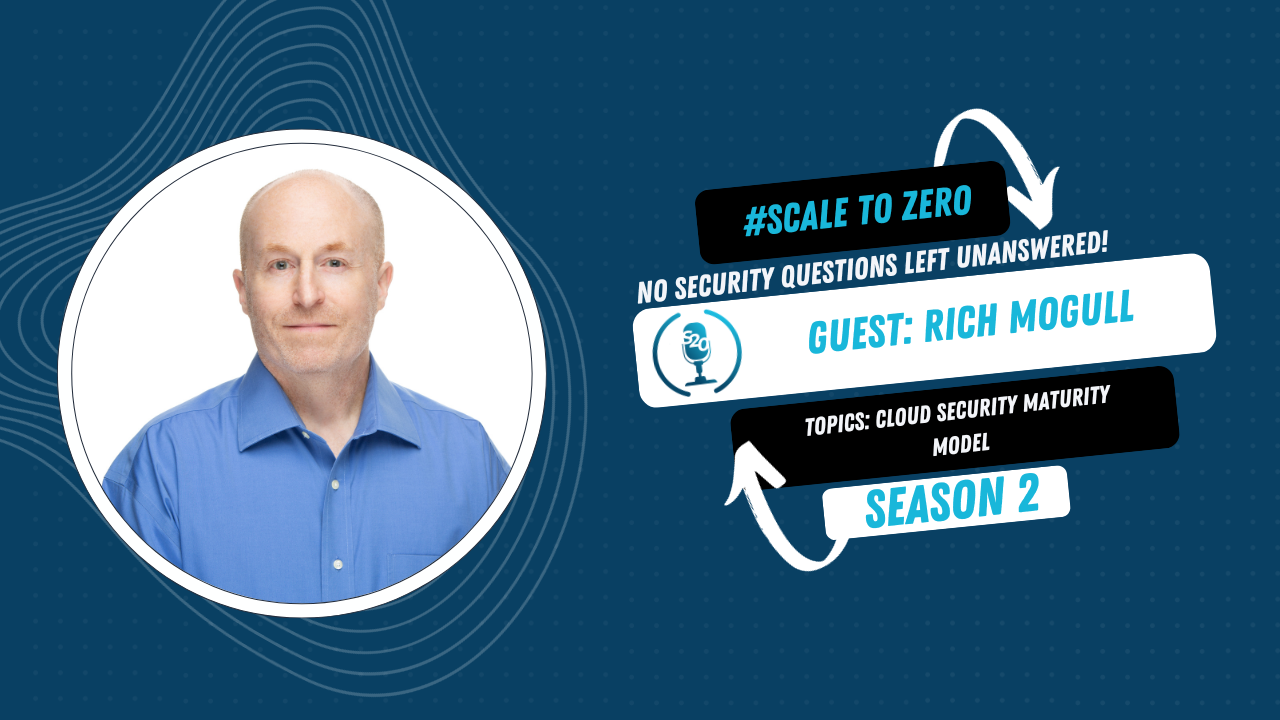
Matthew Moog · EY

Why is AI ethics a board-level issue?

Moog sees the ethical questions inside third-party risk as small next to the broader board discussion of AI ethics. Agents are given judgment and access that mirror an employee, and they have tunneled outside firewalls and interacted in ways no one expected, so the real dilemma is where to say no. He also treats workforce impact as an ethical choice, raising options such as working 20% less for 20% less pay instead of cutting 20% of staff.

Matthew Moog · EY

Will AI replace third-party risk questionnaires and assessments?

Not entirely. Moog compares it to a modern car full of sensors that still gets a 160-point inspection before resale: an assessment remains the best way to understand a new third party's controls and is still worth doing every year for critical ones. Because mature assessments rarely change year to year, he expects more time to go to continuous signals and to running third-party risk almost like a mini SOC.

Matthew Moog · EY

How does AI change security in the software development lifecycle?

Moog says AI coding models are very good at checking their own code for vulnerabilities, so scanning will be built in by default whether code is written by humans or agents, although the models still struggle with user personas, access and non-linear workflows. He expects constant scanning of code bases and external perimeters, and says patching what is found will have to be automated in many cases because that would be very difficult with a human-based labor force.

Matthew Moog · EY

Will AI reduce the size of security teams?

Moog does not expect a fully autonomous security organization in the next 10 years outside some very small startups, because agents cannot yet think critically through chaos the way a SOC analyst does when deciding whether to cut off an anomaly. He sees demand for more security professionals, especially those with a deep technical understanding of their architecture, their tools and where AI fits in, including through third parties.

Matthew Moog · EY

Should security teams treat AI as a tool or as a colleague?

Priyanka sees AI as the first technology that augments our thinking rather than just automating tasks, and because it can talk and challenge you back, it takes on a human flavor. She recalls spending a whole night at IBM analysing a 9,000-row vulnerability spreadsheet, work AI can now turn into a prioritisation in under 30 minutes. The better you build your relationship with it and tune it, the better you deliver, which is why she treats it as a colleague.

Priyanka Chatterjee · London School of Cybersecurity

Which security operations workflows can you trust AI with today?

She would trust AI more for reporting, finding data, triage in a security incident response center and investigation, where false positives have dropped a lot, though they will never reach 100%. She would not hand over autonomous response, such as disconnecting a machine from the network or disabling an account; those decisions need a human in the loop. Any tool needs tuning with your organisation's context, and its results are only as good as your data quality.

Priyanka Chatterjee · London School of Cybersecurity

What makes AI different from SOAR and earlier security automation?

Platforms like SOAR and next-gen firewalls were bought, but their automated response was rarely adopted: trigger points were inconsistent, triaging the data still took a lot of effort, and most organisations lacked mature decision workflows. As she puts it, if you cannot run something manually, it cannot run automatically. AI makes the analysis much easier so trigger points become clearer, and it can challenge you back instead of following an if-else model.

Priyanka Chatterjee · London School of Cybersecurity

What will a SOC analyst's job look like in three to five years?

Priyanka pictures AI colleagues running triage overnight, ending graveyard shifts, and having a shift handover report and a list of decisions and judgment calls ready when the analyst comes in. Most of an analyst's time today goes into going through data; in an AI SOC the job becomes making decisions, so more of the workforce will look like today's level three analysts. Whether you are working or about to enter the workforce, she says you need to learn AI.

Priyanka Chatterjee · London School of Cybersecurity

What is the difference between a knowledge economy and a skills economy?

Knowledge is knowing about something, which is what schools are structured to give you; a skill is knowing where and how to apply it. Pre-industrial work valued skills, industrialisation and the internet created a knowledge and information economy, and now that information is cheap and abundant, value is shifting back to skills. She says people with agency, who are driven, self-motivated and follow through, will be more successful.

Priyanka Chatterjee · London School of Cybersecurity

How do you get hired in cybersecurity without experience?

An ATS-compliant CV opens the door to an interview, but a portfolio that proves you can apply your knowledge is what gets you hired. For a SOC analyst role, that could show you can look at logs, have set up a SIEM at home and have tested with the open-source Nmap scanner, and AI can tell you how to build a home lab. Certifications prove knowledge but not application, so a certification plus a portfolio is hard to beat.

Priyanka Chatterjee · London School of Cybersecurity

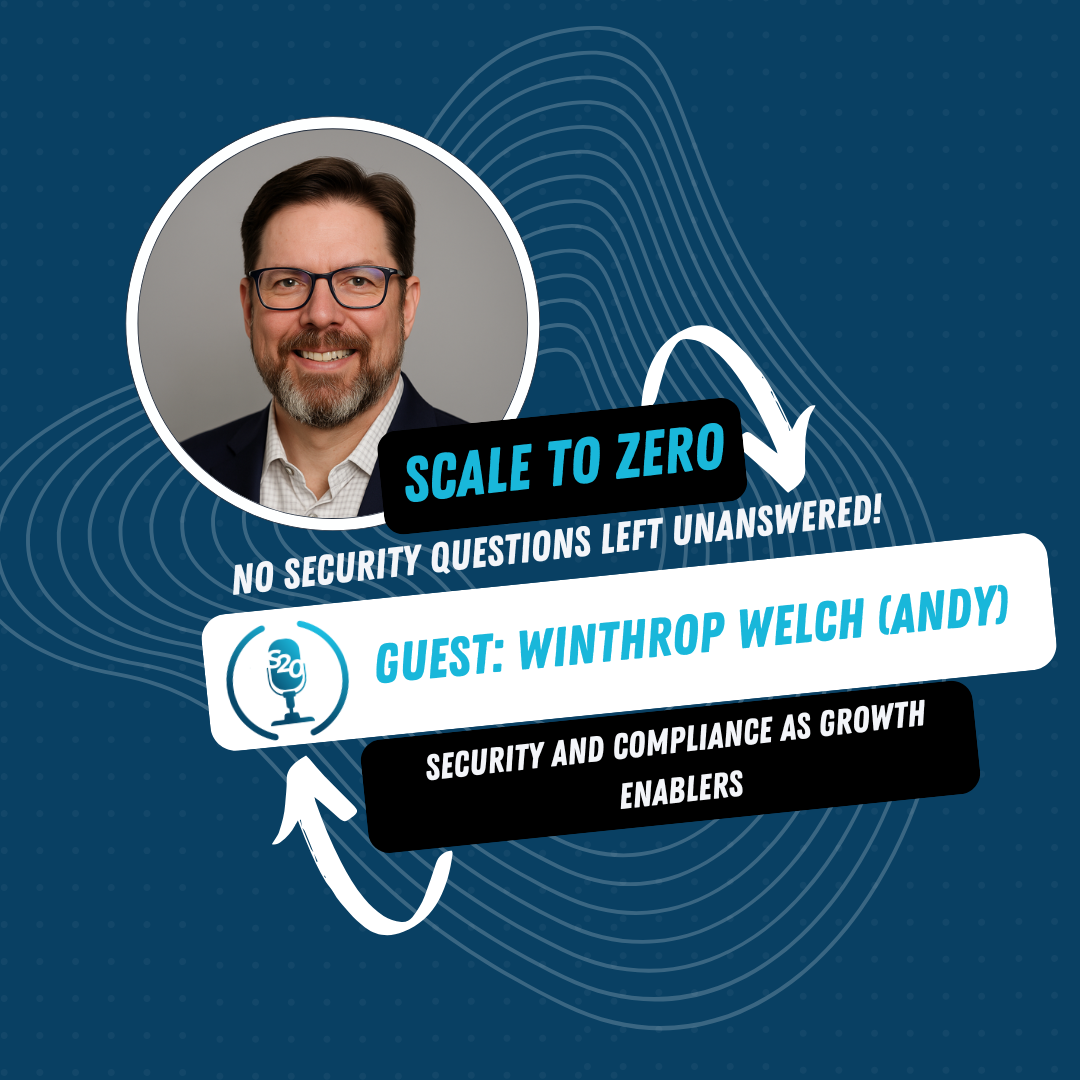
Should security and compliance be treated as separate priorities?

Andy says security and effective compliance shouldn't be at odds. He defines compliance broadly, covering external requirements such as regulations and contracts and internal obligations such as policies and controls, and argues that good compliance mandates describe what must be done, not how. Clear, traceable compliance requirements then become inputs to the security roadmap and can be prioritized like any other requirements.

Winthrop (Andy) Welch

What is the biggest hurdle to aligning security strategy with the business?

According to Andy, it is gaining persistent, regular access to the right people on the business side, so you understand their motivators and where the business is headed. Security has to offer those stakeholders value and keep the dialogue open and refreshed, and he thinks many organizations don't spend enough time keeping that alignment steady.

Winthrop (Andy) Welch

How mature is GRC in most enterprises?

Andy sees GRC maturity as pretty low in many organizations, where GRC is treated as the assessments team that arrives after development with a checklist and a list of problems. That makes it a source of noise and friction, and it quickly gets marginalized. The shift comes when GRC moves upstream, embeds in development and operations, learns their workflows and helps teams make security decisions as they are being made.

Winthrop (Andy) Welch

How should you structure a GRC team?

Andy starts with clarity: when he built out the GRC program at Yahoo, he defined its vision, scope and value proposition and tied everything back to them. Rather than splitting teams into governance, risk and compliance, he splits them by internal focus (policies, control standards, risk oversight, internal compliance) and external focus (regulatory engagement, third-party risk, M&A contracts, customer and partner assurance). He finds this aligns better with how businesses are structured and builds more natural relationships with stakeholders.

Winthrop (Andy) Welch

How do you fix security tool sprawl?

Andy sees tool sprawl as a symptom of never having a cohesive security architecture or long-term plan, with tools picked reactively for each problem, leading to overlap, integration gaps and bloated cost. The fix is strategic: step back, map out your future state architecture and build a reasonable roadmap to get there. It takes time and coordination across teams, but the payoff is a leaner, more effective and more affordable program.

Winthrop (Andy) Welch

When should security get involved in M&A deals?

Andy says security has to be part of the deal from the deal thesis through diligence to execution, not bolted on at the end. He describes a deal that collapsed because the deal team didn't engage IT or security until after close, and the acquired software's architecture proved too expensive to integrate. Once his team started adding insight to deal teams, those teams began inviting them in, which he treats as the sign of success.

Winthrop (Andy) Welch

Episodes

Data Loss, DevOps, and More!

Chris Hodson, CSO of Cyberhaven, on threat modelling across the SDLC, communicating security value, and DevSecOps trade-offs.

Chris Hodson · Cyberhaven

Into the Dark Web with Brett Johnson

Brett Johnson on the dark web, credential-stuffing attacks, MFA bypass techniques, and why humans are the weakest link.

Brett Johnson

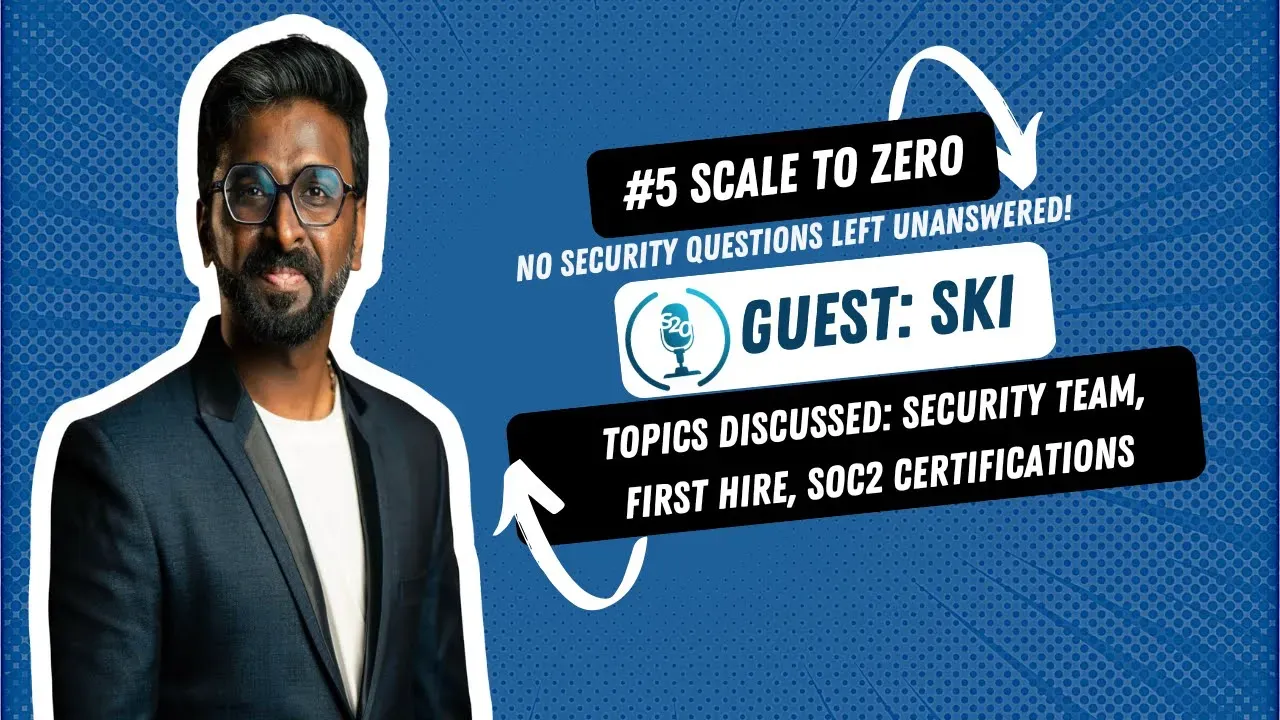
Cloud Security Reviewed With Ski

Ski on building a security-centric culture, improving cross-team relationships, and aligning certifications with controls.

Ski

New episodes twice a month

No security question left unanswered.

Follow Scale To Zero wherever you listen, or send us the question your team is stuck on and we will put it to an expert.